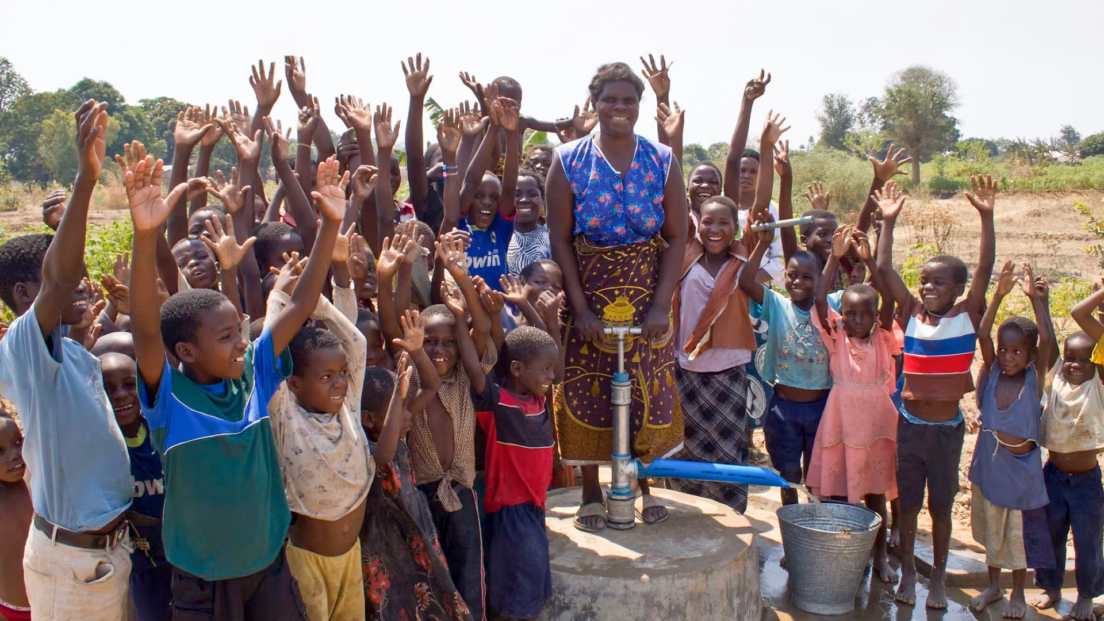
The H2O project is building wells and saving lives
A long-term, life-giving well that serves an entire village can be built for just $475, providing clean water to 150 people, eliminating waterborne diseases, reducing child mortality, and transforming the community for generations.
H2O Project, a mission initiative of First Presbyterian Church of Tulsa along with Marion Medical Mission (MMM) to address the global water crisis. MMM is a front line, ecumenical Christian nonprofit that empowers villagers in Malawi, Zambia, Mozambique and Tanzania to build shallow, sustainable wells using local materials and community-led maintenance.
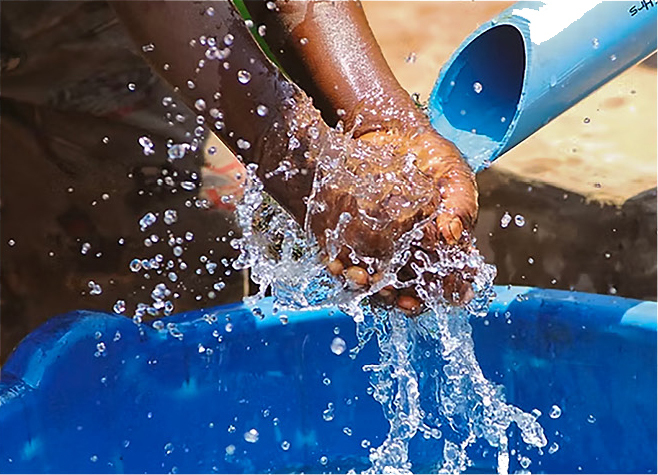
“Safe water means the difference between life and death,” says Scott Rodehaver, First Church member and liaison to Marion Medical Mission. “It’s not just about digging a well. It’s about empowering communities with the knowledge and tools to maintain it for years to come.”
The H2O Project began at First Church in 2009 as a youth-led initiative to support global clean water efforts. Steve Wilson, newly serving in youth ministry, had just returned from the National Youth Workers Convention, where a breakout session on global service left a lasting impression.
“In the breakout session, they talked about the cost of clean water and how something as small as giving up coffee or soda for a month could fund a well,” he recalled. “I thought—our youth can do this.” Inspired, Steve and a group of committed leaders and students brought the idea to First Church, eager to make a difference.
The students embraced the project with enthusiasm. That first year, the church raised $10,603—enough to build 30 wells. They chose Marion Medical Mission as their partner for its sustainability model and community-focused approach.
Over time, the project expanded beyond the youth group to become a church-wide initiative. The Missions Department, under the leadership of Rev. James Estes, officially adopted the effort in 2023. Significant support has come from members like Scott Rodehaver and Mike Miller, who have helped nurture and sustain the church’s connection with Marion Medical Mission.
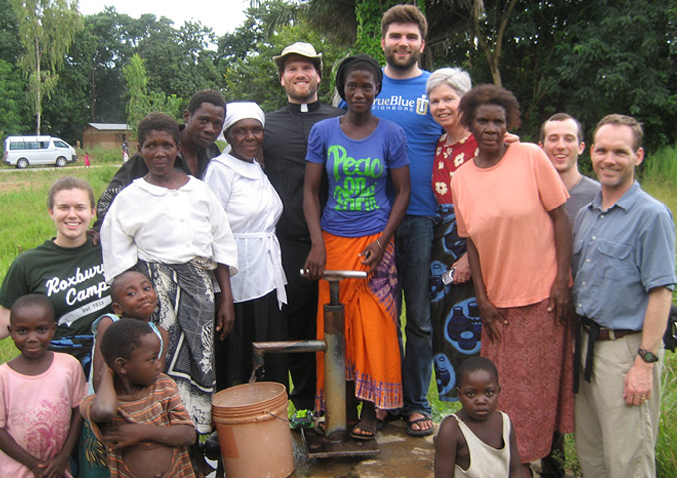
Steve happily adds, “And you know what? Within ten years of launching, the UN statistics actually changed. Fewer people were dying from water-related illness—not because of us alone, but because of movements like this.”
Steve credits the project’s lasting impact to its simplicity and clear results. The concept is easy to understand: give up coffee or soda for a month and donate the savings. That money helps communities access the resources they need to build their own wells. He adds, “It’s not fancy or new tech. It just works. And it’s not expensive—just some supplies, know-how, and a bit of research.”
“People may never know the names of those they help,” Steve says, “but their gifts have literally saved lives. We’re not changing the whole world, but we’re changing someone’s world.”
Your gifts are making an impact on African communities that need fresh water.
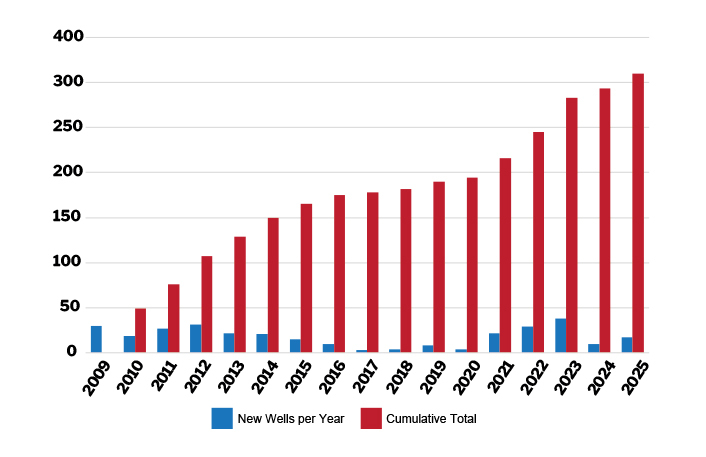
The global water crisis is real:
Every day, 2,000 children under five years old die from diarrheal diseases—1,800 of them due to poor water, sanitation, and hygiene.
Sub-Saharan Africa has the highest under-age 5 mortality rate in the world, 15 times higher than in high income countries.
Half of all hospital admissions in the region are linked to waterborne illnesses.
In Sub-Saharan Africa, women spend 16 million hours daily fetching water.
Worldwide, with every $1 invested in basic drinking water, an average of nearly $7 is returned in saved medical costs and increased productivity.
Source: www.mmmwater.org